Your daily actions shape your destiny, yet most people remain unaware of the invisible forces driving their behavior. Understanding the mechanics of habit loops can revolutionize how you approach personal development and productivity.

Every habit you’ve ever formed follows a predictable neurological pattern that scientists call the habit loop. This powerful framework consists of three essential components: a cue that triggers the behavior, a routine that represents the action itself, and a reward that reinforces the pattern. By mastering habit loop engineering, you gain the ability to deliberately design behaviors that align with your goals, eliminate destructive patterns, and create lasting change that transforms every aspect of your life.
🧠 The Science Behind Habit Formation and Neural Pathways
Your brain is constantly seeking ways to conserve energy and operate more efficiently. Habits emerge as the brain’s solution to this challenge, allowing you to perform complex behaviors without conscious thought. When you repeat an action consistently in response to a specific trigger, your brain begins to strengthen the neural pathways associated with that behavior, making it progressively easier and more automatic.
Research from MIT has revealed that habits are stored in a part of the brain called the basal ganglia, while decisions are made in the prefrontal cortex. As a habit becomes more ingrained, the decision-making part of your brain becomes less active, and the behavior becomes almost reflexive. This neurological efficiency explains why habits can feel so effortless once established and why breaking bad habits requires deliberate intervention.
The habit loop operates on a simple but powerful principle: cue, routine, reward. The cue serves as a trigger that tells your brain to go into automatic mode and which habit to use. The routine is the behavior itself, which can be physical, mental, or emotional. The reward helps your brain determine if this particular loop is worth remembering for the future. Over time, this loop becomes more and more automatic as the cue and reward become neurologically intertwined.
🔍 Identifying Your Current Habit Loops
Before you can engineer new habits or modify existing ones, you need to become aware of the habit loops currently running your life. Most habits operate below the level of conscious awareness, which is precisely what makes them so powerful and so challenging to change. The first step in habit loop engineering involves bringing these patterns into conscious focus through systematic observation.
Start by tracking your behaviors for at least one week. Pay attention to recurring patterns throughout your day, noting what happens just before you engage in a specific behavior, the behavior itself, and how you feel afterward. Many people discover they have dozens of habit loops they never consciously recognized, from checking their phone every time they feel bored to snacking when they’re stressed.
Create a habit inventory by documenting your observations in a structured format. For each habit you identify, record the time of day it occurs, the location, your emotional state, other people present, and the action that immediately preceded the behavior. This detailed tracking reveals the cues triggering your habits and helps you understand the rewards they provide.
Common Habit Cues to Watch For
- Location: Specific places that trigger automatic behaviors
- Time: Particular moments in your daily schedule
- Emotional state: Feelings like stress, boredom, or anxiety
- Other people: Specific individuals or social situations
- Preceding action: The behavior that immediately came before
⚙️ Engineering Productive Habit Loops from Scratch
Once you understand how habit loops function, you can deliberately design new patterns that support your goals and aspirations. The key to successful habit engineering lies in carefully crafting each component of the loop: selecting obvious cues, designing attractive routines, and ensuring satisfying rewards. This strategic approach dramatically increases the likelihood that your new habits will stick.
Begin with ridiculously small habits that require minimal motivation and willpower. Instead of committing to exercising for an hour daily, start with two pushups. Instead of meditating for twenty minutes, begin with two mindful breaths. These micro-habits may seem insignificant, but they establish the neural pathways and psychological momentum necessary for lasting change. Once the loop becomes automatic, you can gradually expand the routine.
Attach your new habit to an existing one through a strategy called habit stacking. Identify a current habit that’s already firmly established in your routine, then immediately follow it with your new desired behavior. For example: “After I pour my morning coffee, I will write one sentence in my journal” or “After I close my laptop for the day, I will do ten minutes of stretching.” This approach leverages existing cues rather than trying to create new ones from scratch.
🎯 Optimizing Cues for Maximum Effectiveness
The cue is the trigger that initiates your habit loop, and designing effective cues is crucial for habit success. The most reliable cues are obvious, specific, and tied to existing elements of your environment or routine. Vague intentions like “I’ll exercise more” rarely translate into consistent action because they lack a clear trigger. Instead, create implementation intentions that specify exactly when and where the behavior will occur.
Environmental design serves as one of the most powerful tools for habit cue creation. Restructure your physical spaces to make desired behaviors obvious and undesired behaviors invisible. Place your running shoes by your bed if you want to establish a morning jogging habit. Put your phone in another room if you want to reduce mindless scrolling. Your environment constantly shapes your behavior, so design it intentionally.
Time-based cues work exceptionally well because they’re consistent and unavoidable. Link new habits to specific times rather than waiting for motivation or inspiration. Set reminders on your phone, use calendar blocks, or leverage apps designed specifically for habit tracking to create reliable temporal triggers that prompt your desired behaviors.
🔄 Crafting Irresistible Routines That Stick
The routine is the actual behavior you perform, and making it as friction-free as possible dramatically increases your consistency. Human beings naturally gravitate toward the path of least resistance, so reduce the number of steps between you and your desired behavior. Prepare your environment in advance, eliminate obstacles, and make the action so easy that you can’t say no.
Design your routines to be satisfying in the moment, not just beneficial in the long term. Our brains prioritize immediate rewards over delayed gratification, which explains why destructive habits often feel more appealing than productive ones. Bundle behaviors you need to do with activities you want to do through a strategy called temptation bundling. Only watch your favorite show while exercising, or only listen to audiobooks while commuting.
Create specific protocols for your routines rather than leaving them vague and undefined. Document exactly what the behavior looks like, including all the micro-steps involved. This specificity eliminates decision fatigue and makes the action more automatic. For example, instead of “morning routine,” specify: wake at 6:00 AM, drink water, meditate for five minutes, journal for ten minutes, review daily priorities.
🎁 Structuring Rewards That Reinforce Your Loops
The reward is what tells your brain that the habit loop is worth remembering and repeating in the future. Effective rewards must be immediate, satisfying, and aligned with your identity. Delayed rewards, while rationally appealing, don’t provide the instant gratification necessary to reinforce neural pathways. This disconnect explains why long-term goals often fail to motivate consistent daily action.
Build in small, immediate celebrations after completing your desired behavior. These celebrations can be simple: a fist pump, saying “Victory!” out loud, or mentally acknowledging your success. These tiny moments of positive emotion signal to your brain that the behavior is worth repeating. Over time, the routine itself becomes rewarding as your brain associates it with positive feelings.
Track your progress visually to create a satisfying sense of accomplishment. Use a calendar to mark off each day you complete your habit, creating a chain of successes you’ll feel motivated to maintain. This visual representation provides immediate feedback and creates a secondary reward system that reinforces your primary habit loop. The satisfaction of seeing your progress becomes its own motivation.
🛠️ Breaking Bad Habits Through Loop Modification
Eliminating unwanted habits requires a different approach than building new ones. You can rarely extinguish a habit loop entirely because the neural pathways remain in your brain. Instead, focus on keeping the same cue and reward while changing the routine. This strategy, called habit substitution, works with your brain’s existing patterns rather than fighting against them.
Identify the real reward your bad habit provides. Many people assume they understand why they engage in certain behaviors, but the true reward often differs from the apparent one. You might think you smoke for the nicotine, but the actual reward might be the social break or stress relief. Experiment with different routines triggered by the same cue to discover what reward you’re actually craving.
Make bad habits invisible, unattractive, difficult, and unsatisfying by inverting the principles that make good habits stick. Delete social media apps from your phone, remove junk food from your house, and increase the friction between you and undesired behaviors. Simultaneously, make alternative behaviors extremely easy and immediately rewarding to redirect the existing habit loop toward productive actions.
📊 Measuring Progress and Adjusting Your Systems
Systematic measurement transforms habit formation from wishful thinking into a manageable engineering project. Track your behaviors consistently, but focus on process metrics rather than outcome metrics. Instead of obsessing over weight lost, track workout completion. Instead of fixating on deals closed, monitor prospecting calls made. This focus on controllable actions reduces anxiety and provides clear feedback.
Review your habit systems regularly to identify what’s working and what needs adjustment. Schedule weekly reviews to analyze your tracking data, celebrate successes, and troubleshoot failures. Approach this analysis with curiosity rather than judgment, treating yourself as a scientist observing interesting data rather than a judge condemning failures.
Use the two-minute rule to maintain consistency even on challenging days. If you can’t complete your full habit routine, do a two-minute version instead. This approach keeps the habit loop intact even when circumstances aren’t ideal, preventing the all-or-nothing thinking that often derails progress. Showing up consistently, even in minimal form, matters more than perfect performance.
🚀 Advanced Strategies for Habit Loop Mastery
Once you’ve mastered the basics of habit loop engineering, advanced strategies can accelerate your progress and deepen your practice. Identity-based habits, which focus on who you want to become rather than what you want to achieve, create more sustainable change. Instead of “I want to run a marathon,” adopt the identity “I am a runner.” Every small action becomes a vote for this new identity.
Use habit contracts to increase accountability and create consequences for failure. Share your commitments with others, establish specific penalties for missed habits, and make your progress public. Social pressure serves as a powerful motivator, and the desire to avoid disappointing others or losing money creates additional incentive to maintain consistency.
Design your environment for flow states by creating dedicated spaces for specific activities. Your brain associates locations with behaviors, so having a specific spot for deep work, another for creative thinking, and another for relaxation helps you transition between different modes more easily. This environmental differentiation makes each behavior more automatic when you enter its designated space.
💪 Sustaining Long-Term Transformation
The ultimate goal of habit loop engineering isn’t just forming individual habits but creating a comprehensive system that consistently supports your growth and development. Think of your habits as compound interest for self-improvement: small consistent actions accumulate into remarkable results over extended periods. A one percent daily improvement compounds to make you 37 times better over a year.
Expect plateaus and prepare for them mentally. Progress rarely follows a linear trajectory; instead, you’ll experience periods of rapid improvement followed by frustrating plateaus where nothing seems to change. These plateaus don’t mean your efforts are wasted—they represent the necessary consolidation phase where gains become solidified before the next breakthrough.
Build resilience into your habit systems by planning for disruption. Life inevitably throws curveballs that can derail even well-established routines. Create contingency plans for common disruptions: travel, illness, busy seasons at work. Having predetermined alternative versions of your habits ensures you can maintain momentum even when circumstances change.
🌟 Unleashing Your Full Potential Through Behavioral Design
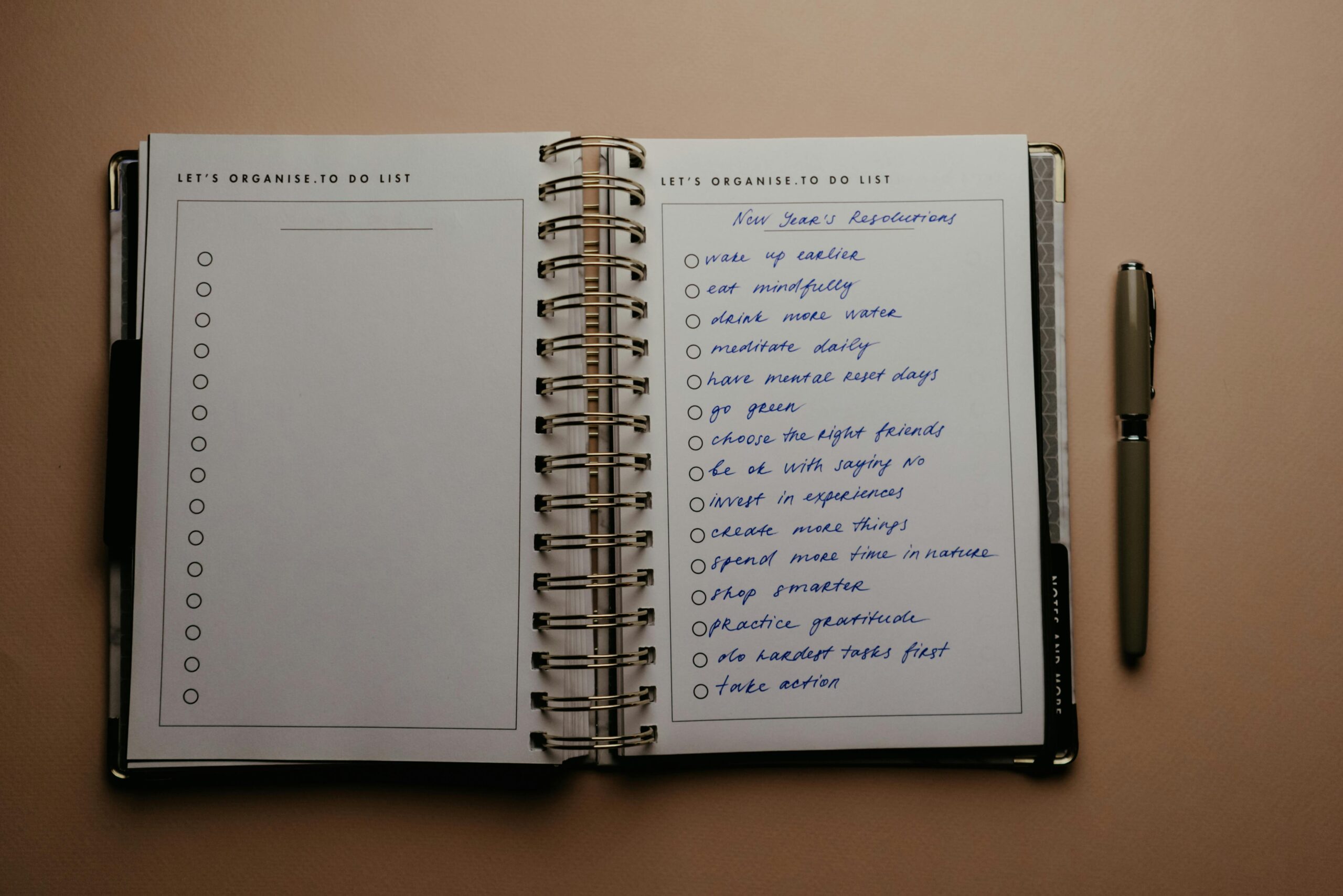
Habit loop engineering represents one of the most powerful leverage points for personal transformation. By understanding and deliberately designing the cues, routines, and rewards that shape your behavior, you gain unprecedented control over your life trajectory. Small changes in your daily habits compound into extraordinary differences in outcomes, relationships, health, and overall life satisfaction.
The behaviors you repeat daily literally shape who you become. Your habits determine your health, your productivity, your relationships, and your success in every domain. By mastering the art of habit loop engineering, you’re not just changing what you do—you’re transforming who you are at the most fundamental level. Every habit is a vote for the type of person you want to become.
Start small, stay consistent, and trust the process. The most remarkable transformations begin with seemingly insignificant actions repeated daily. You don’t need massive willpower or dramatic life overhauls. You simply need to understand how habit loops work and apply that knowledge systematically. Your future self, shaped by today’s habits, is waiting to be engineered. The only question is whether you’ll take control of the design process or leave it to chance.