
Emotion recognition AI represents one of the most transformative technological frontiers, bridging the gap between human consciousness and digital systems.

As machines become increasingly sophisticated at interpreting human emotions through facial expressions, voice patterns, and physiological signals, we stand at the precipice of a revolution that will fundamentally reshape how technology understands and responds to our inner worlds. This emerging field promises to transform healthcare, education, marketing, security, and countless other domains by giving machines the ability to perceive what was once exclusively human territory—our feelings.
🧠 The Science Behind Emotion Recognition Technology
Emotion recognition AI operates on the principle that human feelings manifest through observable, measurable patterns. These artificial intelligence systems analyze multiple data streams simultaneously, including micro-expressions that flash across faces in milliseconds, vocal tone variations, body language shifts, and even physiological markers like heart rate variability and skin conductance.
Modern emotion recognition systems employ sophisticated machine learning algorithms, particularly deep neural networks, trained on vast datasets of human emotional expressions. These systems learn to identify patterns that correlate with specific emotional states, drawing from thousands or even millions of examples. The technology has evolved from simple binary classifications like happy versus sad to nuanced recognition of complex emotional states including frustration, confusion, engagement, and subtle blends of multiple feelings.
Multi-Modal Approach to Emotional Understanding
The most advanced emotion recognition platforms don’t rely on a single input source. Instead, they combine facial analysis with voice recognition, text sentiment analysis, and contextual information to build a comprehensive emotional profile. This multi-modal approach significantly improves accuracy, as emotions rarely express themselves through just one channel.
Computer vision algorithms detect subtle changes in facial muscle movements, tracking points around the eyes, mouth, forehead, and cheeks. Simultaneously, acoustic analysis examines pitch, tempo, volume, and spectral characteristics of speech. Natural language processing dissects word choice, sentence structure, and linguistic patterns. Together, these data streams create a richer, more reliable emotional assessment than any single method could achieve.
💼 Transforming Business and Customer Experience
The commercial applications of emotion recognition AI are already reshaping how businesses interact with customers. Retailers use this technology to gauge shopper reactions to product displays, optimizing store layouts and merchandising strategies based on emotional engagement data. Call centers employ emotion detection to route frustrated customers to specialized agents or flag interactions requiring supervisor intervention.
Marketing departments leverage emotion recognition to test advertisements before launch, measuring genuine emotional responses rather than relying solely on self-reported survey data. This objective measurement of emotional impact helps companies craft more compelling campaigns and avoid messaging that triggers unintended negative reactions.
Personalization at Emotional Scale
Streaming services and entertainment platforms are exploring emotion recognition to deliver hyper-personalized content recommendations. Imagine a system that suggests uplifting comedies when it detects you’re feeling down, or recommends calming content when stress indicators appear elevated. This emotional intelligence layer adds depth to traditional preference-based algorithms, creating experiences that respond to your current state rather than just your historical patterns.
Automotive manufacturers are integrating emotion recognition into vehicle systems, with cars that can detect driver drowsiness, distraction, or road rage. These systems can adjust cabin lighting, play soothing music, or even suggest breaks when emotional or cognitive states indicate reduced safety. The vehicle becomes an active participant in emotional regulation and safety management.
🏥 Revolutionizing Healthcare and Mental Wellness
Perhaps nowhere is emotion recognition AI more promising than in healthcare and mental health treatment. Mental health professionals face significant challenges in assessment, particularly with patients who struggle to articulate their emotional states or have conditions that impair self-awareness. Emotion recognition technology offers objective, continuous monitoring capabilities that complement clinical judgment.
Teletherapy platforms are incorporating emotion detection to provide therapists with additional insights during virtual sessions. These systems can track emotional patterns over time, identifying triggers, monitoring treatment efficacy, and even detecting early warning signs of crisis. For patients with conditions like autism spectrum disorder, emotion recognition tools offer training aids that help develop emotional recognition skills through repeated, patient practice.
Early Detection and Intervention
Depression, anxiety, and other mental health conditions often manifest in subtle behavioral changes before reaching crisis levels. Emotion recognition systems operating through smartphone apps or wearable devices can monitor for these changes, alerting both patients and providers when intervention might be beneficial. This proactive approach represents a shift from reactive treatment to preventive mental healthcare.
Elderly care facilities are implementing emotion monitoring to improve quality of life for residents, particularly those with dementia or communication difficulties. Caregivers receive alerts when residents show signs of distress, pain, or agitation, enabling faster response even when verbal communication is limited. The technology extends care capabilities without replacing the essential human connection.
📚 Transforming Education and Learning Experiences
Educational technology enhanced with emotion recognition is creating adaptive learning systems that respond to student engagement and frustration levels. When a student shows signs of confusion or disengagement, the system can adjust pacing, offer additional explanations, or present information through alternative modalities. This emotional responsiveness makes digital learning more effective and less frustrating.
Teachers in both physical and virtual classrooms benefit from aggregated emotional data that shows which lesson components generate engagement versus confusion. This feedback loop enables continuous improvement of teaching materials and methods based on genuine student responses rather than test scores alone.
Inclusive Learning Environments
For students with learning differences or social-emotional challenges, emotion recognition technology offers valuable support. Students who struggle to identify or express their emotional states gain tools for self-awareness and self-regulation. Educational games incorporating emotion recognition teach emotional literacy through interactive, engaging experiences that adapt to individual needs.
Language learning applications use emotion detection to assess confidence and anxiety levels, adjusting difficulty and providing encouragement at moments when learners show signs of frustration. This emotional scaffolding helps students persist through challenging material rather than abandoning their learning goals when faced with difficulty.
🔒 Privacy Concerns and Ethical Considerations
The power of emotion recognition AI brings significant ethical challenges that society must address thoughtfully. The ability to detect and interpret human emotions raises fundamental questions about privacy, consent, and the appropriate boundaries of technological surveillance. Our emotional states represent deeply personal information, and unauthorized access or manipulation creates serious risks.
Workplace implementation of emotion monitoring technology is particularly contentious. While employers argue that understanding employee emotional states can improve wellbeing and productivity, workers reasonably worry about surveillance overreach and potential discrimination. Could emotion data be used to justify terminations, deny promotions, or manipulate workers into longer hours? These questions demand clear regulatory frameworks and ethical guidelines.
The Challenge of Algorithmic Bias
Emotion recognition systems trained primarily on data from specific demographic groups often perform poorly across diverse populations. Cultural differences in emotional expression mean that a smile or frown doesn’t carry universal meaning. Systems trained predominantly on Western facial expressions may misinterpret emotions in people from Asian, African, or other cultural backgrounds, perpetuating bias and inequality.
Gender, age, and ability differences also affect recognition accuracy. Some systems show higher error rates for women, older adults, or people with facial differences or paralysis. These disparities raise justice concerns, particularly when emotion recognition influences decisions in hiring, education, healthcare, or law enforcement contexts.
⚖️ Regulatory Landscape and Governance
Governments worldwide are grappling with how to regulate emotion recognition technology. The European Union’s proposed AI Act classifies emotion recognition in certain contexts as high-risk, requiring strict oversight and transparency. Some jurisdictions are considering outright bans on emotion recognition in specific applications like hiring decisions or educational assessments.
Industry self-regulation efforts have emerged, with technology companies establishing principles around transparency, consent, and fairness. However, critics argue that voluntary guidelines lack enforcement mechanisms and that comprehensive legislation is necessary to protect individuals from potential harms.
Building Trustworthy Systems
Establishing trust in emotion recognition AI requires transparency about how systems work, what data they collect, and how that information is used. Users should have meaningful control over when emotion recognition operates and access to the data collected about them. Algorithmic auditing should verify that systems perform fairly across diverse populations and don’t perpetuate discriminatory patterns.
Consent mechanisms must be robust and genuine, not buried in incomprehensible terms of service documents. People deserve clear information about emotion recognition in language they can understand, with realistic options to opt out when participation isn’t truly mandatory. The power imbalance in many contexts—employee-employer, student-institution, consumer-corporation—makes authentic consent particularly challenging to achieve.
🚀 The Technological Frontier: What’s Next
Emotion recognition technology continues advancing rapidly, with several promising developments on the horizon. Researchers are working on systems that recognize increasingly subtle emotional states and complex combinations of feelings. Rather than simple categories like happy or sad, next-generation systems will detect nuanced states like nostalgic contentment, anxious excitement, or frustrated determination.
Integration with augmented and virtual reality platforms will create immersive experiences that respond to user emotions in real-time. Virtual environments could adapt lighting, music, pacing, and narrative elements based on emotional engagement, creating deeply personalized experiences. Therapeutic VR applications might expose patients to anxiety-triggering situations while monitoring emotional responses and adjusting intensity accordingly.
Brain-Computer Interfaces and Direct Emotional Sensing
Beyond analyzing external manifestations of emotion, emerging technologies aim to detect emotional states more directly through neural activity. Brain-computer interfaces could potentially identify emotions from brain patterns before they manifest in facial expressions or physiological changes. While this technology remains largely experimental, it represents the ultimate frontier in emotion recognition—direct access to mental and emotional states.
Such powerful technology amplifies both the potential benefits and the ethical concerns surrounding emotion recognition. Direct neural sensing could revolutionize treatment of mental health conditions, enable seamless human-machine collaboration, and create unprecedented forms of communication. It also raises profound questions about mental privacy, cognitive liberty, and the nature of human autonomy.
🌍 Cultural Intelligence and Global Perspectives
Truly sophisticated emotion recognition AI must account for cultural variations in emotional expression and interpretation. What constitutes appropriate emotional display varies dramatically across cultures, as do the meanings attached to specific expressions. Systems designed for global deployment need cultural intelligence that goes beyond simple translation to deep understanding of context and meaning.
Research teams are increasingly diverse, incorporating perspectives from multiple cultures into algorithm design and training data collection. This inclusive approach improves system performance across populations while respecting cultural differences in emotional norms and values. The goal isn’t to impose a single interpretation of emotions but to recognize and honor diverse ways of expressing and experiencing feelings.
🔮 Reimagining Human-Technology Relationships
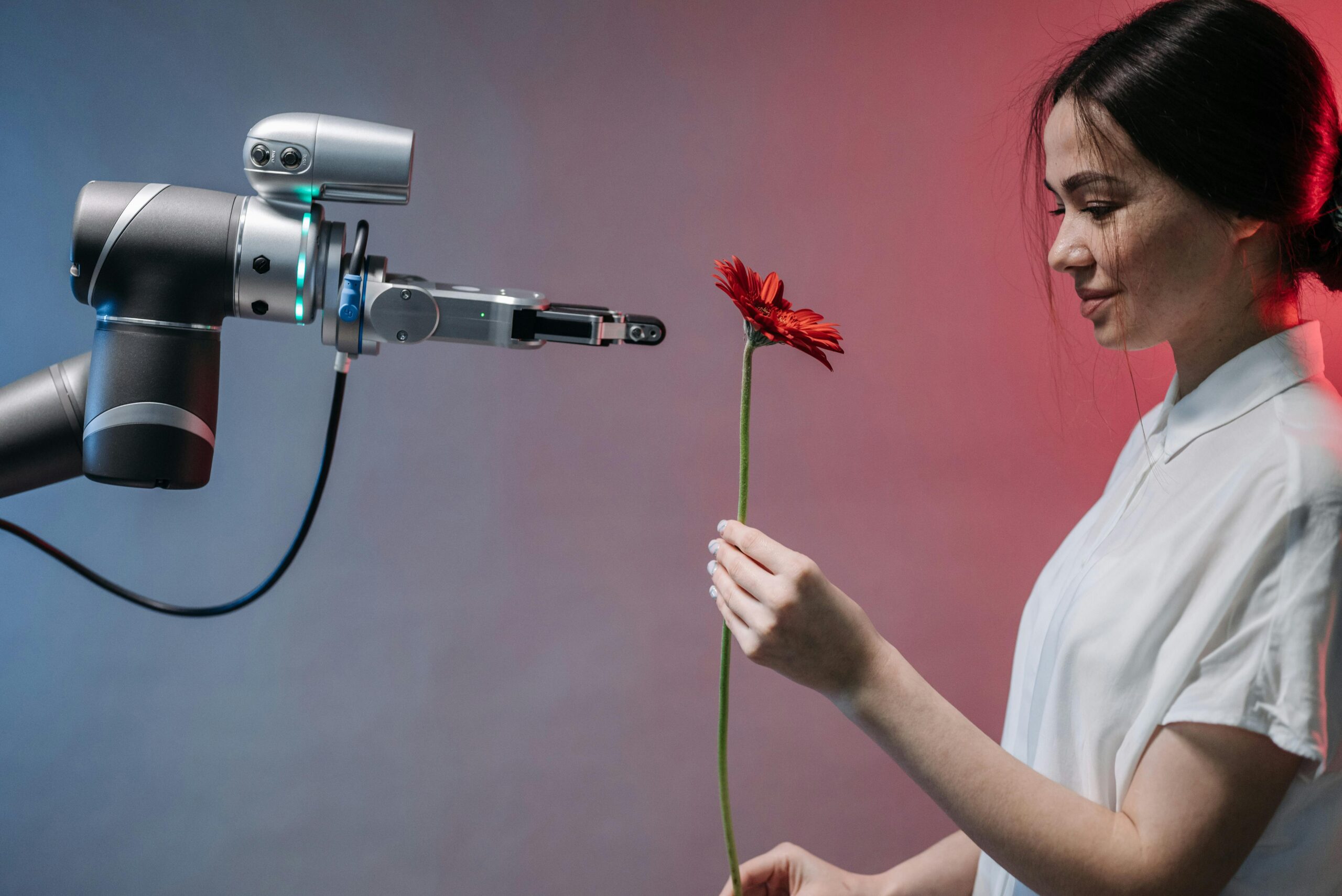
Emotion recognition AI fundamentally changes how we relate to technology. Devices that respond to our emotional states feel less like tools and more like companions or collaborators. This shift brings machines into traditionally human domains—empathy, emotional support, and interpersonal understanding—with implications we’re only beginning to explore.
Some worry that emotionally intelligent machines might manipulate us, exploiting knowledge of our feelings to shape behavior in ways we wouldn’t choose if fully aware. Others fear that reliance on technological emotional support might erode human relationships and emotional capabilities. These concerns warrant serious consideration as we integrate emotion recognition into daily life.
Yet the technology also offers genuine benefits—devices that reduce frustration, support mental health, enhance learning, and improve accessibility for people with diverse needs. The challenge lies in harnessing these benefits while mitigating risks through thoughtful design, robust governance, and ongoing ethical reflection.
💡 Empowering Human Flourishing Through Emotional Intelligence
At its best, emotion recognition AI serves human flourishing by extending our capacity for self-awareness, empathy, and emotional regulation. Technology that helps us understand our own emotional patterns can foster personal growth and healthier relationships. Systems that make services more responsive to human needs enhance quality of life across multiple domains.
The future of emotion recognition isn’t predetermined. We collectively shape how this technology develops and deploys through the choices we make today—the research we fund, the applications we embrace or reject, the regulations we enact, and the values we embed in system design. By centering human dignity, autonomy, and wellbeing in development decisions, we can create emotion recognition AI that genuinely serves humanity rather than exploiting or manipulating us.
This transformative technology opens new frontiers in human-machine collaboration, offering machines unprecedented insight into human experience while challenging us to think deeply about privacy, consent, and the boundaries between our inner lives and technological systems. As emotion recognition AI continues evolving, our collective wisdom in governance and ethics will determine whether it becomes a tool for human flourishing or a source of new harms.